Blogs > Pets Unleashed

Those who love their pets tend to enjoy all animals. Our animal owners are no different. Check in on News-Herald staffers Robin Palmer and Cheryl Sadler as they share their own animal tales and announce upcoming events in Lake and Geauga counties.

Wednesday, October 9, 2013

National Pet Obesity Awareness Day

Today is National Pet Obesity Awareness Day. Below is a news release with tips and pointers on keeping your dogs fit and active from Camp Bow Wow CEO and founder Heidi Ganahl:

Identify and Prevent Obesity

Signs to indicate your pet is overweight
  • Pet tires easily
  • Difficulty getting up
  • Visually, there is a lack of a waist line and you are unable to feel the ribs of your pet easily
  • Breathing problems
  • Arthritis
  • High blood pressure
  • Hair coat problems

Tips for readers to get in shape with their pets
  • Invite a neighbor dog (one that likes to play) to come over for a “play-date” to make them more active
  • Take your dog on a hike –great cardio and muscle-building activity for both pet and owner
  • Take your dog to pet friendly stores with you for extra exercise
  • Sign up for a run/walk (5K) that allows pets, so you are able to stay active with your furry friend
  • Cut down on treats for your dog and feed responsibly; count calories
  • Consult with your local vet on nutrition
  • Keep your pet active and set responsible goals that will become a daily routine
Examples of human foods that can quickly lead to pet obesity
  • Snacks like potato chips and ice cream, or more commonly cheese and peanut butter (which are frequently used to conceal medicines) are quick ways to pack on the pounds

Other solutions
  • A lot of products and diets are marketed and available for pets, which can help ameliorate obesity
  • Some dog food companies are following “prepackaged” and “measured” systems, which help to avoid over-feeding, as well as appetite suppressant products

Benefits of Socializing Pets
  • Physical exercise keeps dogs from displaying behavior problems that dogs who don’t get exercise tend to display, like chewing, digging, excessive barking, etc.
  • Just like humans need friends, so do dogs. They need a core social group of other dogs to interact with - especially if they are an “only” dog at home.
  • A tired dog is a good dog! Camp wears the dogs out from all of the stimulation that they get (both mental and physical), so parents get to bring home a nice, tired pup at the end of the day.
  • Keeping your dog socialized will help keep dogs from displaying serious behavior issues like aggression toward other dogs or people.
  • Getting dogs out of the house on a frequent basis helps stimulate them mentally. Dogs need as much mental stimulation as they do physical stimulation to keep them happy and healthy.
  • For parents that have longer work hours and don’t have as much time to walk their dogs as they would like to, camp gives the parents a great way to give their dog the benefits of interacting with other dogs and people instead of leaving them at home.

Labels: ,

Tuesday, July 23, 2013

Summer heat is dangerous for dogs

Pets Best Insurance cautions pet owners to keep animals safe in the summer heat.


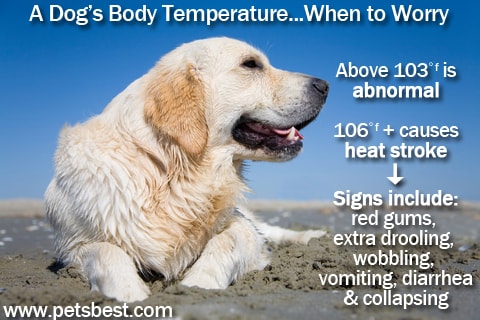
Pets Best lists several warning signs of heat stroke among dogs, including:
  • Rapid breathing and heart rate
  • Vomiting 
  • Diarrhea
  • Dehydration
  • Bright red gums
  • Seizures
  • Collapsing
More information from a Pets Best news release:
Among the most common and dangerous risks for canines is heat stroke, which occurs when a dog’s body temperature exceeds 106 degrees and it faces potential damage to the brain and other organs. Fair-skinned and short-coated white dogs are also highly susceptible to excessive sun exposure, which can lead to sun burn and skin cancer.

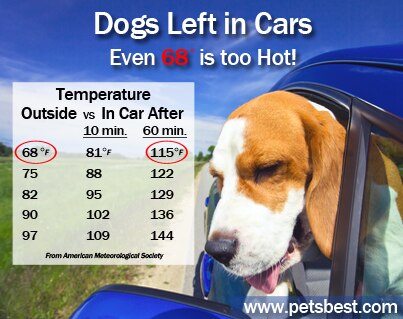
Many pet owners are likely unaware of how quickly heat stroke and other heat-related issues can occur in canines. The risks are especially high if a dog is left inside a car, even on days with mild temperatures. On a seemingly cool summer day of 68 degrees, the temperature inside a car can jump to 81 degrees within a mere 10 minutes. After an hour, the temperature inside the car can reach 115 degrees, a deadly level for dogs.

To prevent heat-related illnesses, Pets Best recommends avoiding outdoor activities during the middle of the day, when temperatures peak. It is also important to ensure dogs have access to shade and water while they enjoy the outdoors. If a dog is showing signs of heat stroke, pet owners should immediately move the dog to an air-conditioned area and seek veterinary care.

Labels: ,

Thursday, December 15, 2011

Tips on pet safety for the holidays

Following up Tuesday's post on pet health and diet during the holidays, I have some information on pet safety during the holidays. I recently received a news release with tips from small animal veterinarian Dr. Jessica Vogelsang, the founder of Pawcurious.com. Check out the release below for her advice on keeping your pet safe during the holidays. (And if you missed it, scroll down for the blog post on pet health and diet during the holidays.)

-- Cheryl Sadler | CSadler@News-Herald.com | @nhcheryl

Expert tips for pet safety during the holidays
Ensure you’re prepared if your pet gets out
  • With all the holiday visitors and festivities, it’s easy for stressed pets to slip out the door or backyard. Be sure your pet has its tags and microchips updated with your current address and phone number.
  • Consider a GPS product like Tagg – The Pet Tracker to calm your fears. Tagg attaches to your pet's collar and will send you an alert if your pet does slip out, and then allows you to track your pet’s location in real time so you can pick him up and bring him home!
Be aware of holiday fragrances
  • Candles are a fire and burn risk, of course. Many owners turn to scented potpourri, thinking it is a safer option, but it is extremely caustic when ingested and can cause esophageal ulcers.
Mind the string
  • Cats love ribbons, string and tinsel. But when ingested, they can lead to a painful condition called "string foreign body" and can actually perforate the intestine.
Keep an eye on the holiday treats
  • Although everyone knows chocolate is toxic, the most common reason pets wind up in the ER is because they ingested too much fatty food and gave themselves an upset stomach or pancreatitis. If you have a relative who insists on feeding the pet treats, keep a bowl of special pet-friendly holiday treats nearby and ask them to feed your pet those instead of pieces of sausage!
Know where the emergency vet is located
  • If your pet has an emergency, you can't call 911. The last thing you want to have to do in that situation is look up directions to the vet clinic when you're stressed and in a hurry! Know their phone number and map out the location ahead of time.

Labels: ,

Tuesday, December 13, 2011

Tips for managing your pet's health and diet during the holidays

Humans aren't the only ones at risk of overeating during the holiday season. Passing an extra plate to your dog or cat can harm their health (just scroll down for yesterday's post on pet obesity). I recently received a news release with tips for managing a pet's health and diet during the holiday season, and I thought now while we're planning for the holidays might be a good time to pass along the advice. So read the news release below, and keep your pet's health and diet in mind when you're eating over the holidays.

-- Cheryl Sadler | CSadler@News-Herald.com | @nhcheryl


Though the holiday food is tempting, be mindful of what you feed your pet!
SEAACA provides fun and helpful tips to help you manage your pet's health and diet during the holiday season

The holidays are a time to share wonderful meals with family and friends. For pets, however, the risk of overfeeding and eating dangerous food items during the holiday season can pose significant health risks. From Thanksgiving to New Year's and beyond, the food keeps coming and the guests revel, but the pets can suffer. To help resolve this holiday dilemma, Southeast Area Animal Control Authority has created a list of tips to help pet owners enjoy their holiday meals while maintaining their pet’s health and welfare.

  • Don't supersize them. Please do not feed your pet human food. But, if you do, avoid giving large amounts of cooked turkey or ham during the holidays. Humans are much larger and heavier than dogs and cats and can handle bigger food servings; our pets cannot. During the holidays, it’s very easy to forget this and overfeed pets, thus upsetting their digestive system and compromising their health. Should you feed your pet human food, also avoid food that has been out of the refrigerator for a long period of time. Pets need to be protected against food that is undercooked or subject to spoilage because of lack of refrigeration.
  • Watch the richness. Holiday food can be filled with spices and seasonings, which can cause health problems in pets. Try to keep you pets on their regular schedule with their regular food.
  • Ain't to proud to beg. As pets become accustomed to human food, they can learn irritating begging habits that can be rude to family members and guests during mealtimes. Try to keep pet meals in a separate room with designated pet food rather than human leftovers.
  • No bones about it. Do not feed pets bones, particularly chicken, turkey and other poultry bones. Bones can break apart cause intestinal pain, and sometimes choking, in pets.
  • Sweet are not treats. Candy and highly sugary items can wreak havoc on a pet's diet. Also, candy wrappers can be eaten by dogs and cats and can result in choking or digestive pain.
  • Beware of non-edibles. During the hustle and bustle of holiday meals, it's easy to lose track of pets. Make sure you keep an eye on them so that they're not eating non-edible items, such as food packaging or gift wrap, that might have fallen to the floor or left somewhere in the home.
  • Treat dogs and cats as individuals. If you have both dogs and cats, remember that they might have different dietary preferences, and that they need different portion sizes. Use discretion and don’t hand out holiday leftovers blindly.

"Holidays meals are special family moments, but they can be a problem for pets," noted SEAACA Executive Director, Dan Morrison. "If we remember to prevent overfeeding and to use discretion when giving pets meals during this festive season, everyone will benefit," he added.

Labels:

Monday, December 12, 2011

Infograph on pet obesity

Worried your pet is a bit overweight? You should be.

Excess weight can cause several health problems for cats and dogs. Check out the infograph below for information on how much your pet should eat, how to tell if your pet is overweight and risks of excess weight in pets.


by mattbeswick via


-- Cheryl Sadler | CSadler@News-Herald.com | @nhcheryl

Labels: ,